Blog & News
Oct.20, 2026
Anti-drone netting is a physical barrier designed to help restrict unauthorized drone access to protected areas, equipment, and critical infrastructure. Depending on the application, an anti-drone net may use metal wire mesh or suitable synthetic netting, with specifications selected according to the installation environment and required function.
For data centers, power facilities, oil and gas installations, and defense-related projects, choosing the right anti-drone netting system involves more than selecting a material. Mesh opening, wire diameter or fiber properties, mechanical strength, corrosion resistance, supporting structures, and installation conditions all influence suitability.
For project owners, EPC contractors, security integrators, and distributors, understanding these factors is an important first step toward specifying a physical barrier that matches the site's operational and engineering requirements.
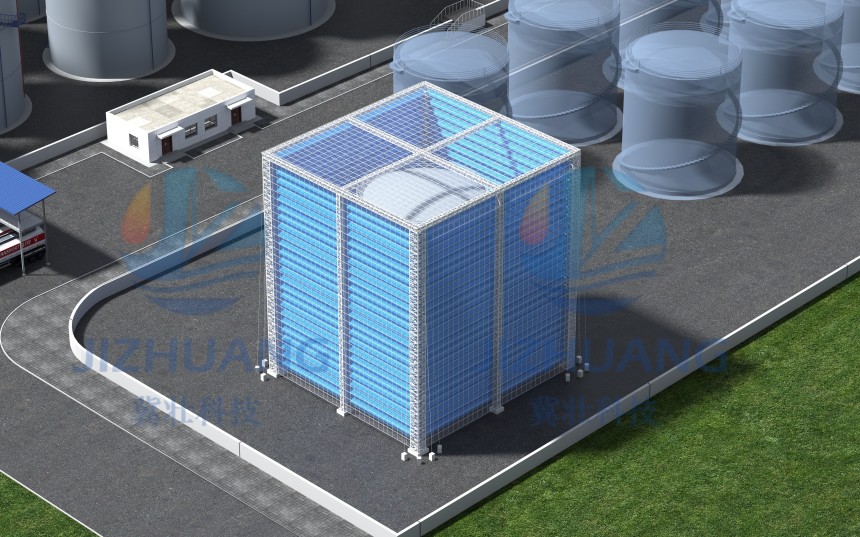
Anti-drone nets work by creating a physical obstacle between an approaching drone and a protected asset. Depending on the design and installation, they can help restrict drone access, reduce the risk of direct contact with sensitive equipment, and provide an additional barrier against certain fragments and debris.
An anti-drone net can be installed around equipment, along perimeter structures, or above designated areas to obstruct a drone's flight path. The effectiveness of this physical barrier depends on mesh opening size, wire or fiber strength, and the design of the supporting frame and connections.
A suitably designed and positioned mesh barrier may help intercept or redirect some fragments and debris before they reach nearby equipment. This can provide an additional layer of physical protection for sensitive infrastructure.
However, ordinary netting cannot be assumed to stop all fragments or withstand blast effects. Performance depends on the fragment characteristics, impact energy, mesh construction, mounting distance, and supporting structure. Projects requiring a defined level of impact or fragment protection should be evaluated through appropriate engineering assessment or testing.
Anti-drone netting is available in different materials to meet specific requirements for strength, weight, flexibility, and environmental resistance. Common options include stainless steel, galvanized steel, Kevlar (aramid), nylon filament, polyamide filament, and polypropylene (PP).
Stainless Steel: Offers corrosion resistance and mechanical strength. Suitable for coastal facilities, humid environments, and industrial enclosures where corrosion resistance is important.
Galvanized Steel: Combines steel strength with a zinc coating that helps protect against corrosion. Suitable for outdoor perimeter barriers and infrastructure protection.
Kevlar (Aramid): Offers high tensile strength relative to its weight. May be considered for specialized lightweight applications, subject to product specifications and performance verification.
Polyamide Filament: Can provide flexibility and useful mechanical properties. Nylon is itself a type of polyamide, so buyers should check the specific material grade.
Polypropylene (PP): Lightweight and moisture-resistant. May suit temporary or general-purpose netting, provided UV stability and mechanical strength meet project requirements.
The most suitable material depends on the intended application, operating environment, expected service life, and required level of protection. Material type alone does not establish a verified impact or fragment-protection rating.
An anti-drone netting system can be incorporated into physical security measures for selected facilities and assets. The appropriate design depends on site risks, operational requirements, local regulations, and installation conditions. The U.S. Cybersecurity and Infrastructure Security Agency (CISA) includes physical barriers among the measures that critical infrastructure operators may consider when assessing unmanned aircraft system risks. Read CISA's guidance on protecting against UAS threats.
Anti-drone mesh may be used around selected equipment or sensitive areas to help restrict unauthorized drone access. Installations should account for ventilation, maintenance access, and operational requirements.
Refineries, oil and gas installations, and related industrial sites may consider physical barriers around selected equipment and restricted areas. Material durability and corrosion resistance are important in demanding outdoor environments.
A physical anti-drone fence or mesh enclosure may provide an additional barrier around designated equipment. Designs must account for electrical safety, maintenance access, and site-specific engineering requirements.
Specialized netting and mesh structures may be used around selected assets, vehicles, or protected areas. Vehicle-mounted structures such as cope cages represent a distinct application and should not be assumed to provide a verified level of protection without suitable testing or engineering evidence.
Anti-drone netting may be considered for designated ground facilities, equipment enclosures, warehouses, and other operational areas where a physical barrier is appropriate. For airport-related projects, any installation must be assessed against applicable aviation safety requirements, operational restrictions, visibility considerations, and emergency access needs.
An anti-drone fence system is a physical barrier arrangement designed to restrict drone access to a designated area or selected assets. Depending on the project, it may incorporate metal mesh panels, perimeter fencing, overhead netting, supporting frames, posts, and connection components.
For example, a perimeter installation may prioritize access restriction, while an overhead mesh structure may be designed to separate drones from equipment located beneath it. The mesh, supports, anchors, and connections should be assessed as one assembly.
A physical anti-drone fence system does not independently detect, identify, or disable every drone. Depending on the site's risk assessment, it may form part of a broader security approach that includes detection, surveillance, access control, and other appropriate measures.
Before selecting an anti-drone net, project owners, EPC contractors, security integrators, and distributors should evaluate the following factors.
Choose mesh openings and overall dimensions according to the intended physical barrier function, anticipated drone characteristics, and site layout.
Compare stainless steel, galvanized steel, and suitable synthetic fibers based on strength, weight, flexibility, environmental exposure, and project requirements.
Consider humidity, UV exposure, coastal conditions, and industrial environments when selecting materials and surface treatments.
Evaluate the frame, anchors, connections, installation layout, and mounting distance. The complete assembly must be suitable for expected environmental and mechanical loads.
Clarify whether the main objective is to restrict drone access, reduce the risk of direct impact, or help limit secondary damage from fragments. Blast or fragment resistance should not be assumed without appropriate engineering verification.
Drawings, dimensions, mesh opening, wire diameter or fiber specifications, material requirements, installation conditions, and quantities help suppliers assess manufacturing feasibility and discuss suitable configurations.
Established in 2000, Hebei Jizhuang Technology Co., Ltd. is a China-based manufacturer specializing in wire mesh, fencing systems, and physical security products. Our capabilities include design, R&D, manufacturing, customization, and export supply for international buyers, contractors, and project suppliers.
Our manufacturing facilities include more than 100 wire mesh machines, 10 automated production lines, and a reported daily production capacity of over 500 tons across our product range. We focus on customized specifications, production inspection, and manufacturing solutions based on customer drawings and project requirements.
We have anti-drone netting project experience serving customers and projects in Russia, Saudi Arabia, the United Arab Emirates (UAE), and Kuwait. Different project environments can require different approaches to material selection, mesh specifications, corrosion resistance, and structural compatibility.
We can discuss customized metal mesh solutions according to your project requirements, including:
Material options: Stainless steel, galvanized steel, and other suitable mesh materials.
Mesh specifications: Mesh opening, wire diameter, dimensions, and configuration.
Surface treatment: Options selected according to the intended operating environment.
Project coordination: Technical review based on drawings, quantities, installation conditions, and intended application.
Send us your drawings, dimensions, material preferences, and project requirements so our team can assess manufacturing feasibility and discuss suitable mesh configurations. For projects requiring impact or fragment protection, the complete assembly should be evaluated against the specified technical requirements.
Contact Hebei Jizhuang Technology to discuss your anti-drone netting project.
Website: https://www.jzwiremesh.com/anti-drone-nets-for-military-defence.html
Email: admin@jzwiremesh.com
WhatsApp:https://api.whatsapp.com/send?phone=8619930786652
Cybersecurity and Infrastructure Security Agency (CISA). Protecting Against the Threat of Unmanned Aircraft Systems. Read the guidance.
Joint Interagency Task Force 401. Guide for Physical Protection of Critical Infrastructure: Reframing Critical Infrastructure Security for the Drone Threat. Read the guide.
requirements.
Related News
Nov.05, 2026
Types of Reinforcement Mesh: Classification, Structures and Applications
Nov.04, 2026
Nov.02, 2026
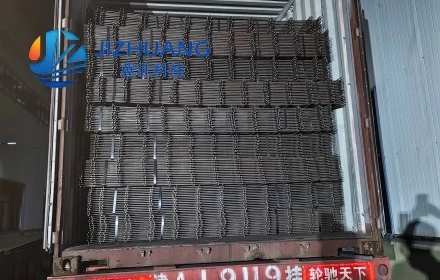
SL82 Reinforcing Mesh: Quality Inspection & Export Shipment
Oct.09, 2026