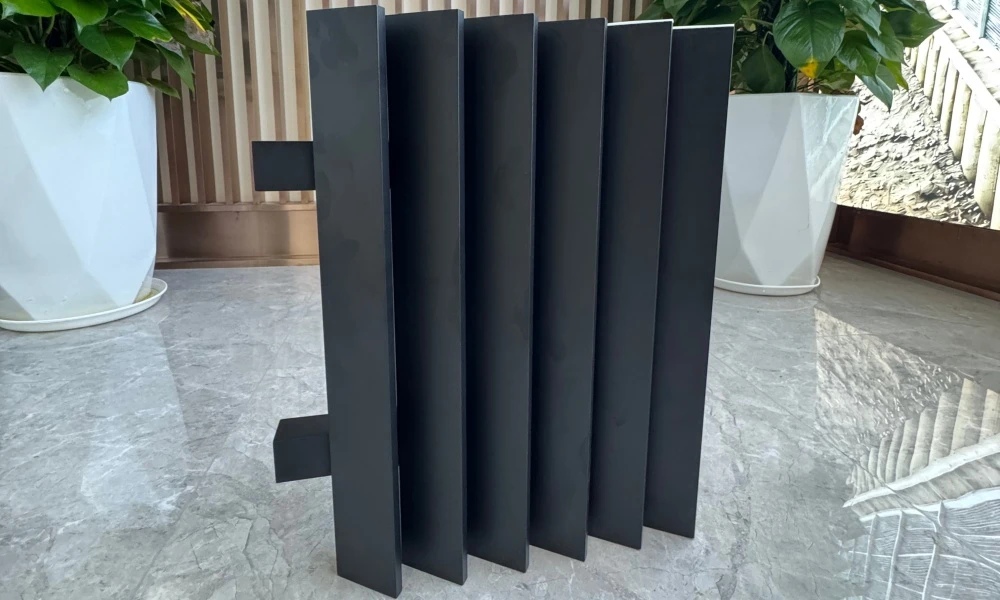
Custom Aluminium Fencing with Adjustable Panels and Rails
For an Australian customer, we developed a custom modular and adjustable aluminium fencing system based on their drawing. The design features adjustable panel widths, repositionable horizontal rails and
modular connections for flexible configurations. We also proposed aluminium and 3D-printed ASA post-cap options to balance tooling investment, prototype development and future production needs. From
drawing review and engineering development to physical prototype production and delivery, the project demonstrated our ability to turn a customer’s concept into a practical, production-ready aluminium fencing
solution.
The project started with a customer-provided drawing defining the required fence structure and key design details.
Our engineering team used the drawing as the basis for structural review, component development and prototype production.
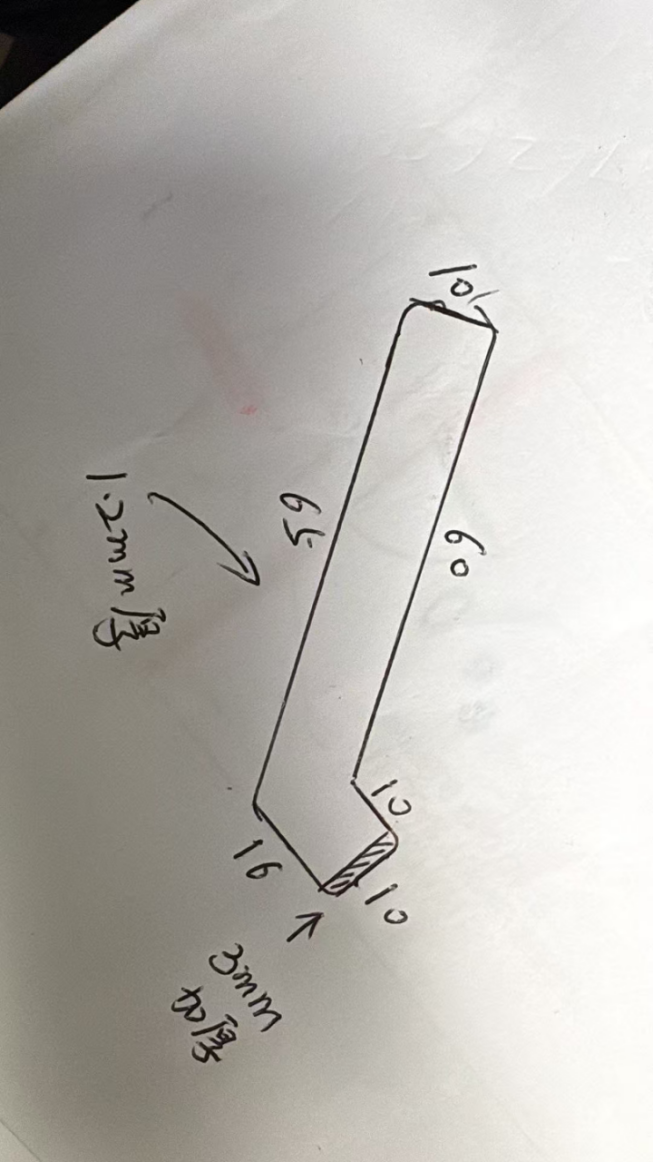
Customer-supplied aluminium fence drawing used as the basis for engineering and prototype development.
The core of this project is a Modular & Adjustable Aluminium Fencing System designed to provide greater flexibility during installation and project planning.
The system incorporates three key features:
Adjustable fence panel width
Adjustable horizontal rail positioning
Modular connection between multiple fence panels
These features allow the same basic fencing structure to accommodate different project requirements without relying entirely on fixed-size panels.
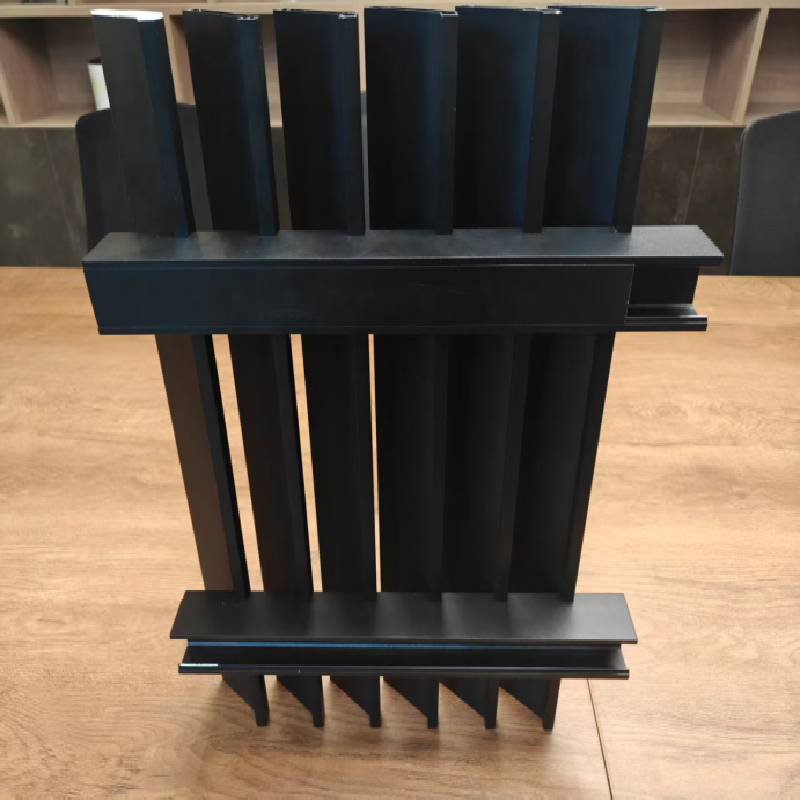
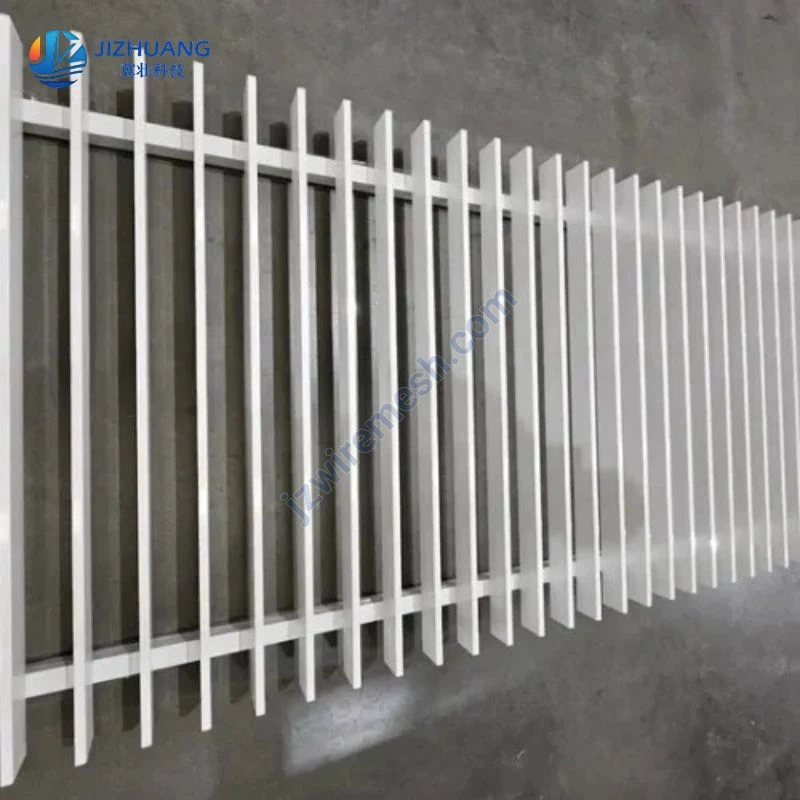
Production sample developed from the customer's drawing, demonstrating the modular and adjustable fence structure.
The fence width can be adjusted according to different site dimensions and project requirements.
Instead of restricting the project to one fixed panel size, the modular structure provides greater flexibility for different spans and installation conditions.
For distributors and project contractors, this can also help reduce dependence on numerous fixed-size panel specifications.
Adjustable panel structure developed for different project dimensions.
The horizontal rails are designed with an adjustable positioning concept.
Their height and position can be modified according to the required fence configuration, giving the system greater flexibility than a conventional fixed-position panel.
This feature can be particularly useful when the buyer needs to adapt the same basic fence structure to different project specifications.
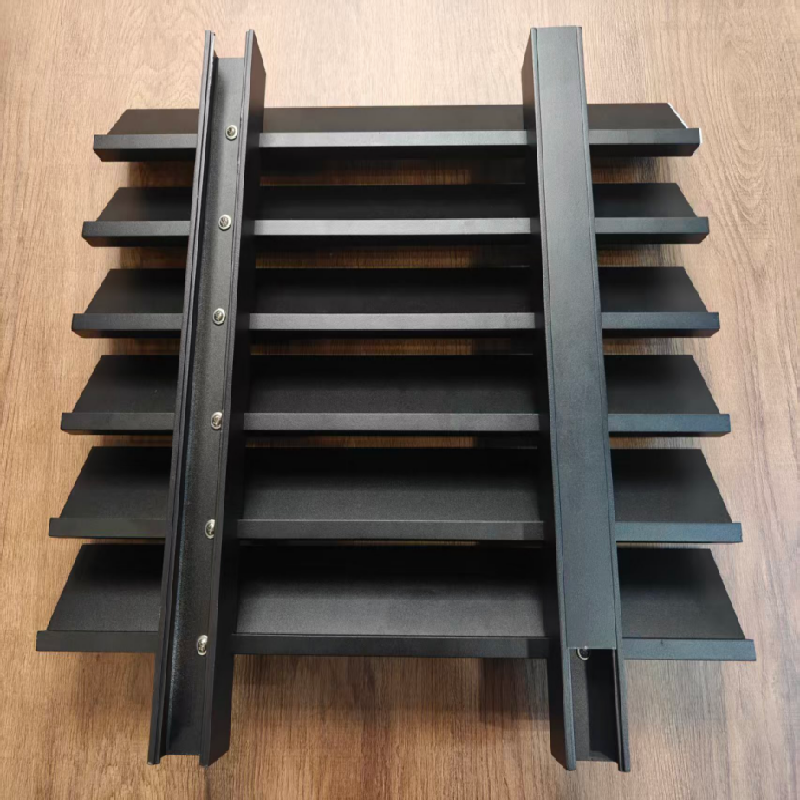
Adjustable horizontal rail positioning within the aluminium fence panel.
Multiple aluminium fence panels can be connected together to create longer continuous fencing sections.
The modular structure allows individual panels to work as part of a larger fencing system rather than as completely independent fixed-size units.
This approach is intended to provide greater flexibility for project installation, transportation and configuration.
Modular connection between multiple aluminium fence panels.
The customer’s drawing specified the shape and design of the post cap but did not define the material.
To provide a practical solution for both prototype development and future production, we proposed two manufacturing options.
An aluminium post cap can be manufactured to match the required design.
However, depending on the manufacturing method, dedicated moulding/tooling may be required. This can result in a higher initial tooling cost.
For larger production quantities, aluminium can become a suitable option because the tooling cost can be distributed across a larger order volume.
For prototype development or lower-volume production, we proposed a 3D-printed ASA post cap.
This approach avoids the initial mould/tooling investment and allows the required geometry to be produced directly from the digital model.
ASA was considered because the post cap is a long-term outdoor component. Australian outdoor applications can involve strong UV exposure, intense sunlight, high temperatures, rain and long-term weathering.
ASA is specifically valued for its UV and weather resistance and is more suitable for sustained outdoor exposure than common PLA-based prototype materials.
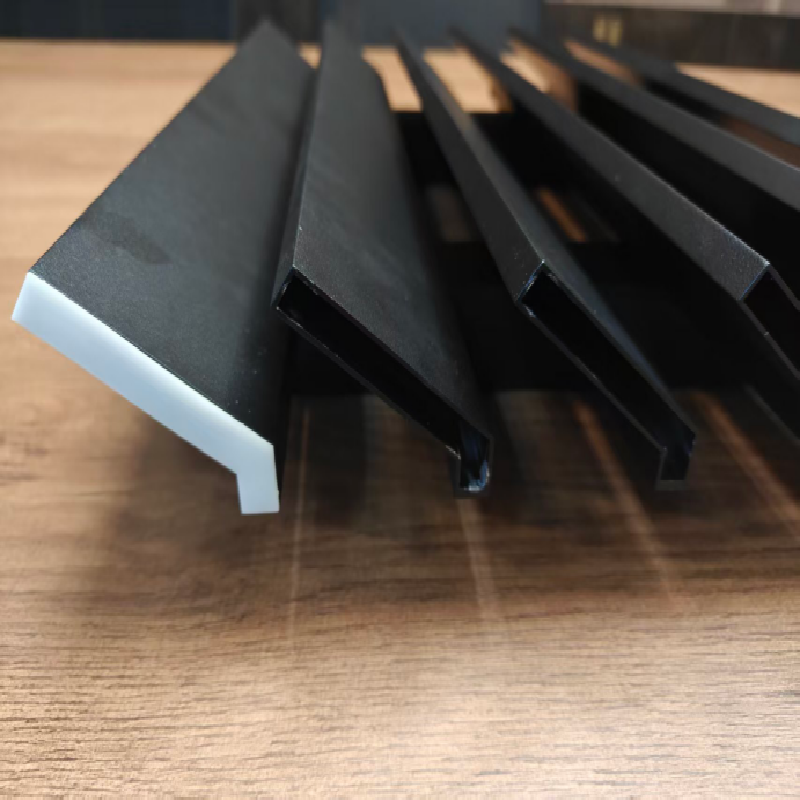
3D-printed ASA post cap developed as an alternative to moulded aluminium production.
This project demonstrates our drawing-based product development capability.
The development process followed a practical engineering workflow:
Customer Drawing → Engineering Review → Modular Design → Material Evaluation → Prototype Production → Assembly & Inspection → Customer Evaluation
From customer-supplied drawing to engineered aluminium fence prototype.
For procurement teams, contractors, distributors and OEM customers, a modular and adjustable structure can provide several practical advantages.
Flexible Project Configuration
Adjustable panel dimensions and rail positions allow the system to be adapted to different project requirements.
Fewer Fixed Specifications
A flexible modular structure can potentially reduce the need for multiple fixed-size panel configurations, simplifying product planning and SKU management.
Easier Prototype Validation
For customized projects, producing a physical prototype before mass production allows the buyer to verify dimensions, assembly and functional details before committing to a larger order.
Scalable Production
The design can be developed from prototype quantities toward larger-volume production, with different manufacturing methods considered according to order volume and component requirements.
Drawing-Based Manufacturing
We can work from customer drawings and develop customized aluminium fencing components according to specified dimensions, structures and application requirements.
The customer's aluminium fence drawing was successfully converted into a functional modular and adjustable prototype.
The developed sample demonstrates:
Adjustable panel width
Adjustable horizontal rail positioning
Modular panel-to-panel connection
Customized post cap development
Aluminium and 3D-printed ASA post cap options
Drawing-based prototype manufacturing
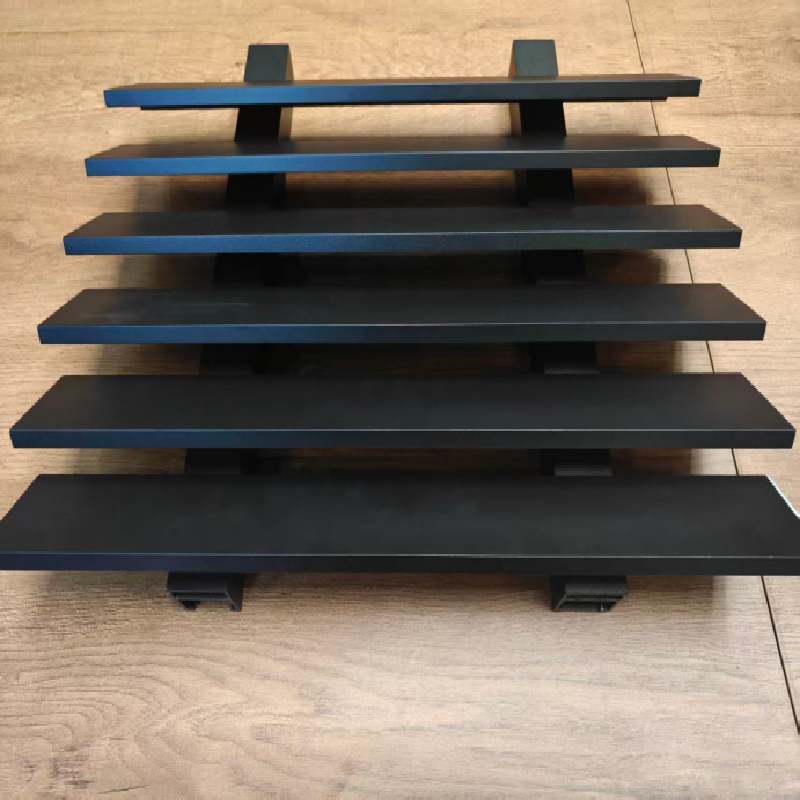
Final aluminiloped according to the customer's requirements.
Why the Australian Aluminium Fence Customer Chose Us
01
Drawing-Based Engineering Support
02
Material Solutions for Australian Conditions
03
Prototype Development & Sample Delivery
04
From Prototype to Long-Term Cooperation
For this custom aluminium fencing project, the customer needed more than a supplier who could simply manufacture to a drawing. They needed an experienced
aluminium fence manufacturer who could understand the design, solve unspecified details, and develop a practical prototype for the Australian market. We
supported the project from drawing review and engineering development to sample production and delivery.
From Customer Drawing to Production-Ready Aluminium Fencing
Have a custom fence drawing or project requirement? Our engineering team can review your design, develop the required components, produce prototypes and support
the transition to volume production.